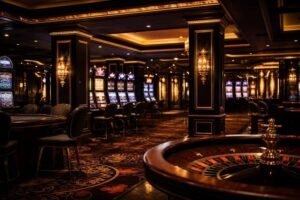
Historically, betting halls have been an integral part of the British gambling landscape, serving as social hubs where enthusiasts could enjoy a variety of wagering experiences rooted in tradition and local culture. Over the decades, these establishments have evolved significantly, reflecting broader shifts in legal regulation, technology, and societal attitudes toward gambling.
Historical Context and Cultural Significance
In the early to mid-20th century, betting halls in the UK emerged as bustling centres of entertainment, often located in densely populated urban areas. These venues were not merely places to place bets; they functioned as social spaces fostering community interaction. Characters from diverse backgrounds would gather to watch horse races or football matches, exchanging insights and camaraderie.
By the 1960s and 1970s, the Gambling Act of 1960 formalised betting activities, leading to the proliferation of licensed betting shops. As part of this evolution, the physical layout and offerings diversified—some establishments specialized in specific sports, while others expanded into the realm of casino-style gaming, blending traditional betting with modern entertainment forms.
The Transition to Modern Betting Halls
Today, the concept of betting halls has expanded beyond mere physical venues. The contemporary landscape involves a mixture of brick-and-mortar shops and digital platforms. Still, physical betting halls maintain their cultural relevance, especially in the United Kingdom, where the legal framework cherishes their social and historical value.
One such example that exemplifies the diversity and sophistication of modern betting environments is the set of venues analyzed in detail at Royal Fishing. Within this context, British gambling establishments are often distinguished by their variety—ranging from the traditional betting halls to the innovative, multi-faceted betting halls that incorporate other leisure activities.
Understanding the Layout and Offerings of Three Different Betting Halls
For enthusiasts and industry insiders alike, understanding what differentiates one betting hall from another is crucial. An analysis of three different betting halls—each exemplifying a unique approach—reveals the evolving nature of the industry and the importance of diverse customer experiences.
Betting Hall A: The Classic Venue
- Design & Atmosphere: Traditional, with dark wood furnishings, betting terminals, and large screens for live sports.
- Offerings: Focused on horse racing, greyhound racing, and football betting.
- Customer Base: Predominantly local regulars, often of an older demographic.
Betting Hall B: The Modern Multi-Activity Venue
- Design & Atmosphere: Contemporary, with open spaces, multiple bars, and integrated gaming zones.
- Offerings: Includes traditional betting, electronic gaming machines, and interactive screens for live bets.
- Customer Base: Younger crowds, casual bettors, and tourists seeking a social experience.
Betting Hall C: The Niche & Luxury Experience
- Design & Atmosphere: Upscale, with plush interiors, private betting areas, and personalized service.
- Offerings: High-stakes betting, special event coverage, and bespoke betting packages.
- Customer Base: High rollers, VIP clients, and those seeking exclusivity.
Analyzing these three distinct models provides insights into industry trends: the integration of traditional values with modern amenities, the importance of social spaces within gambling culture, and the increasing emphasis on exclusive, high-end experiences.
The Strategic Importance of Physical Venues in an Increasing Digital Age
Despite rapid growth in online betting platforms, physical betting halls offer unique value propositions. They serve as tangible, community-oriented environments where players engage face-to-face, fostering loyalty and social bonding that digital platforms have yet to replicate fully.
| Aspect | Physical Betting Halls | Online Betting Platforms |
|---|---|---|
| Social Interaction | High: In-person atmosphere and community feel | Low: Virtual interactions, isolated experience |
| Accessibility | Limited by location hours | 24/7 access via digital devices |
| Experience Customization | Personalized service and environment | Algorithm-driven suggestions, less personal touch |
| Regulatory Environment | Strict licensing and quality standards | Varied, depending on jurisdiction |
This contrast underscores the enduring significance of physical betting halls in the UK’s gambling ecosystem, especially for segments seeking social engagement and a traditional experience. As noted in expert analyses, investing in and maintaining diverse betting environments ensure resilience against digital disruptions and cater to a broad spectrum of customer preferences.
Conclusion: Preserving Heritage While Embracing Innovation
The landscape of UK betting halls showcases a fascinating intersection of history, culture, and modern innovation. Their evolution reflects societal shifts, regulatory changes, and technological progress. Incorporating insights from industry-specific sources like Royal Fishing, which details the nuanced features of different betting venues, emphasizes the importance of understanding these spaces beyond their surface appearances.
As the industry continues to evolve, maintaining a dialogue about the role of physical spaces complements the growth of digital betting, ensuring that these historic establishments remain relevant, vibrant, and integral to Britain’s rich gambling heritage.