In the last twelve months I’ve watched the average waiting time for a pickup match on popular titles drop from fifteen minutes to under five. That shift isn’t just about speed; it’s about who can join. A teenager in Manchester can now squad up with a friend in Belfast using only a mid‑range phone, no console, no high‑end PC. The barrier that once kept casual players out of competitive scenes has thinned dramatically, turning esports into a regular weekend pastime rather than a niche hobby.
Hardware that finally keeps up
When I first tried a 2022 flagship phone on a 5G network, the latency in “Arena of Valor” fell to 30 ms – a figure previously only seen on wired connections. Today, models priced around £300 deliver similar performance thanks to dedicated AI cores that handle frame rendering. The result is smoother animation and fewer dropped frames, meaning friends can focus on tactics instead of waiting for the game to catch up.
Game design built for quick social sessions
Developers have trimmed match lengths to fit a commute or a coffee break. “Mobile Legends: Bang Bang” now caps its standard battles at nine minutes, while “Call of Duty: Mobile” introduced a 5‑minute “Fast‑Fire” mode that still offers the same strategic depth. These formats let a group of four organise a mini‑tournament during a lunch hour and still finish before the next meeting.
Community platforms that bring people together
Discord servers dedicated to UK mobile esports have exploded; the “BritEsports Mobile” channel alone boasts 12 000 members. Within that community, I’ve seen weekly “scrim” schedules posted, complete with Google Calendar links and voice‑chat rooms. The structure mirrors traditional sports leagues, giving casual players a clear path from a one‑off game to a regular season.
Monetisation that doesn’t alienate newcomers
Earlier mobile esports relied heavily on pay‑to‑win skins, which discouraged new entrants. Recent titles now separate cosmetic purchases from competitive balance. For example, “PUBG Mobile” introduced a “Battle Pass” that rewards skill‑based milestones rather than outright power. The average player can earn a tier‑3 weapon skin after ten wins, keeping the playing field level while still offering a revenue stream.
Bridging the gap to broader online entertainment
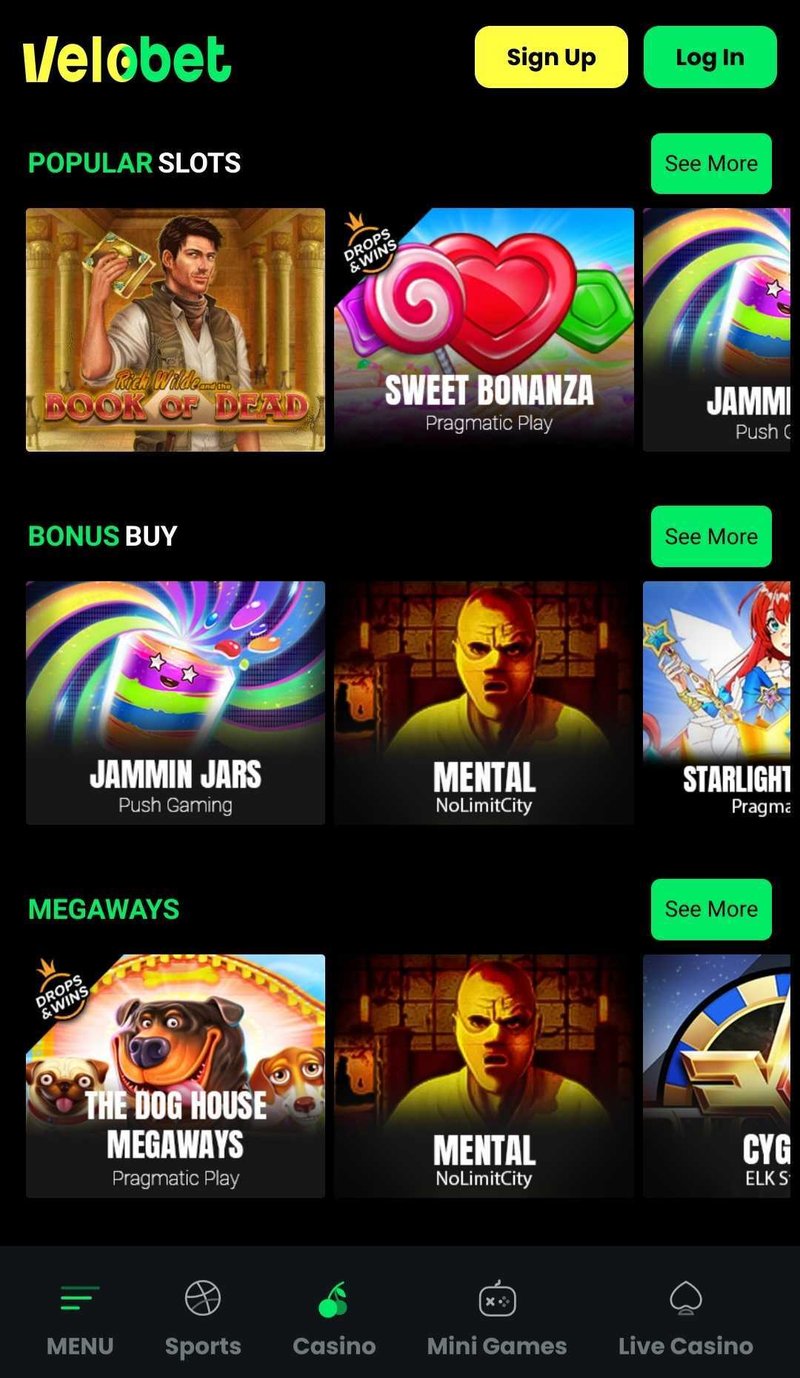
While mobile esports thrive on quick, social matches, many players eventually look for deeper gambling‑style experiences. Platforms like velobet illustrate how the excitement of competitive gaming can flow into online betting and casino games, offering a familiar thrill in a different format.
Challenges that still need fixing
The biggest drawback remains data consumption. A typical hour of “Free Fire” can use up to 500 MB on a 4G connection, which is costly for players on limited plans. Rural gamers with spotty coverage also report higher disconnect rates, meaning they miss out on the very social connectivity that mobile esports promise. Until network providers improve coverage and pricing, a segment of the UK audience will stay on the sidelines.
Which path should you take?
If you enjoy short bursts of competition with friends, start with a free‑to‑play title like “Mobile Legends” and join a Discord community to find regular teammates. For those who want a more structured league experience, look for tournaments hosted by UK universities or local gaming cafés – they often provide prize pools that offset any data costs. Finally, keep an eye on upcoming 5G rollouts; the next wave of hardware will make even the most demanding titles feel like a console on your palm.
Frequently Asked Questions
What makes mobile esports accessible to a wider audience?
Lower hardware costs, ubiquitous smartphones, and cloud servers mean players can join without expensive PCs or consoles.
How has match latency improved in mobile esports?
Optimized servers and regional hosting cut pickup times from 15 minutes to under five, making games feel instant.
Can social gamers compete in professional mobile esports leagues?
Yes, many platforms offer ranked ladders and sponsored tournaments, allowing casual players to test skills against seasoned competitors.
What future trends could further democratize mobile esports?
Advances in AI coaching, cross-platform play, and 5G connectivity will expand training tools and reduce network gaps worldwide.